
The Tempered History of BDSM
Posted by Leatherotics on 25th Aug 2020
BDSM is often seen as something modern or niche, but the reality is a bit different. The ideas behind it — control, restraint, power, and trust. It has been around for much longer than most people realise.
If you look back through history, you’ll find traces of these dynamics in different cultures, often hidden in art, writing, or rituals. They weren’t labelled the way they are today, but the core ideas were already there.
It’s easy to assume BDSM is all about extremes, but that’s not really the full picture. At its core, it’s about structure and choice — how people interact, where control sits, and how that balance shifts between individuals.

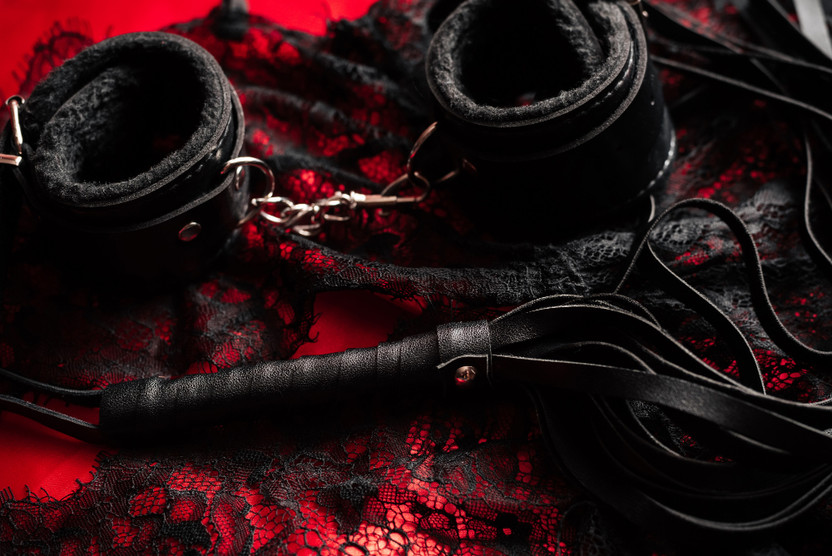
BDSM covers a wide range of styles, from simple restraint using cuffs or collars to more structured setups like rope work, leather gear, or full-body restraint. For some, it’s physical, while for others it’s more about psychology — the dynamic between dominance and submission, where control is either taken or willingly given. This can extend into roles such as master and slave, built around trust, boundaries, and agreed control, often including systems of reward and discipline. Fetishes often relate to materials like leather. There’s no single approach — it depends on comfort, experience, and personal preference.
How It Developed Over Time
As societies became more structured, especially during stricter periods like the Victorian era, a lot of these expressions moved out of public view. That didn’t mean they disappeared — just that they became more private.
Over time, these ideas continued to evolve quietly. People explored them in different ways, often influenced by the culture around them. In some cases, it was more symbolic. In others, it became more physical. Most of the time, it sat somewhere in between.
That’s part of what makes BDSM difficult to define in simple terms — it’s never been just one thing.
From Subculture to Something More Visible
It wasn’t until much later that BDSM started to take on a more defined identity.
Communities began to form, and with that came a clearer understanding of roles, boundaries, and expectations. What had once been scattered and unspoken became more structured, with shared ideas around consent, communication, and trust.
Even then, it stayed relatively underground for a long time. It’s only in more recent years that it’s become something people talk about more openly.
More Than What It Looks Like
From the outside, BDSM is often reduced to visuals — leather, restraints, and specific scenarios. But that only tells part of the story.
A lot of it is psychological. It’s about control, but also about giving or taking control. It’s about boundaries, but also about choosing when to step outside of them.
For some people, it’s a physical experience. For others, it’s more about mindset and connection. And for many, it’s a combination of both.

Why It Still Matters
What’s interesting is that, despite everything changing around it, the core ideas haven’t really gone anywhere.
The way people talk about BDSM today might be different, and the visibility has definitely increased, but the foundations are still the same — structure, trust, and personal expression.
Once you look at it that way, it stops feeling like something separate or unfamiliar, and more like something that has always been there, just understood differently over time.
Common Questions About BDSM
What does BDSM actually mean?
BDSM is a broad term that covers different aspects of power, control, and physical or psychological interaction. It includes things like bondage, discipline, dominance, submission, and more. In most cases, it’s built around clear communication and agreed boundaries between people.
Is BDSM only about physical restraint?
Not always. While things like restraints and gear are often what people notice first, a lot of it is actually about mindset and control. For some, it’s more psychological than physical.
Why is leather so commonly used in BDSM?
Real Leather has been part of BDSM culture for a long time. It’s durable, holds its shape well, and has a certain look and feel that fits the aesthetic. Over time, it’s become closely associated with bondage gear and fetish wear. At Leatherotics we always use natural leather and avoid fake PU, Faux, Bonded or Vegan fakes.
Choosing the right bondage gear depends on fit, material, and intended use. If you’re looking for leather bondage gear in the UK you can explore our full range of leather bondage gear here: https://leatherotics.co.uk/18plus/
Is BDSM something new?
Not really. The name is relatively modern, but the ideas behind it have existed in different forms throughout history. What’s changed is how openly it’s discussed and understood today.
How do beginners get started with BDSM?
Most people start simple. Understanding boundaries, communication, and comfort levels comes first. From there, some choose to explore basic items like blindfold, cuffs or collars before moving into more structured gear. More advanced setups can include full-body gear designed for a closer, more controlled fit.